Get your landscape ready for spring during record drought
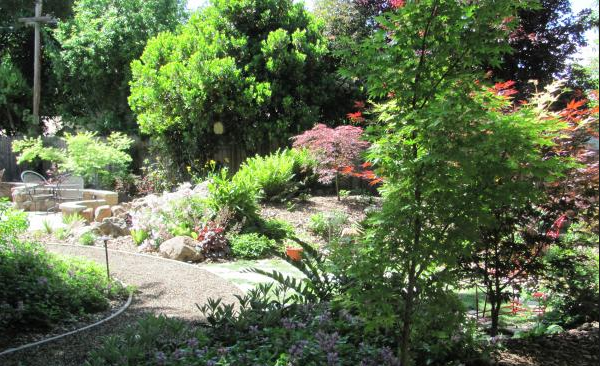
Now that spring has arrived, there is a lot that people can do to get their landscapes fresh and ready for spring while continuing to stay water wise.
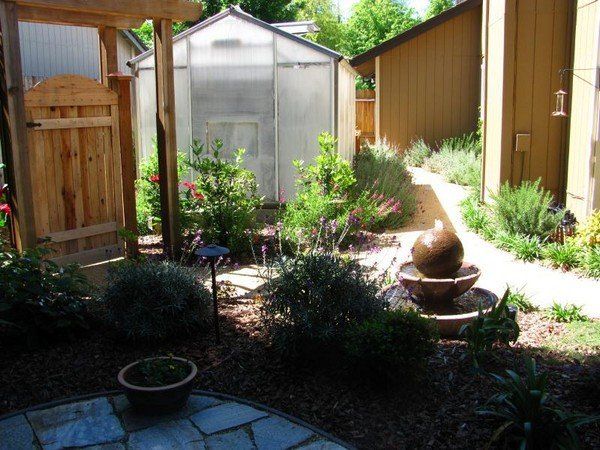
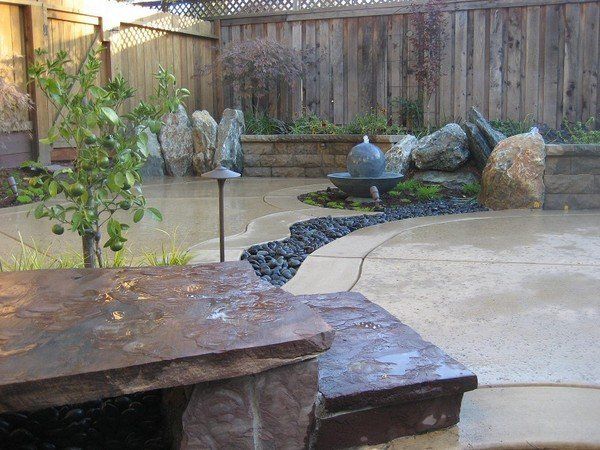
Start to think about ways to reduce and or eliminate the water-wasting lawn from your landscapes. There are so many ways to have a beautiful lush-looking drought tolerant yard without planting a lawn.
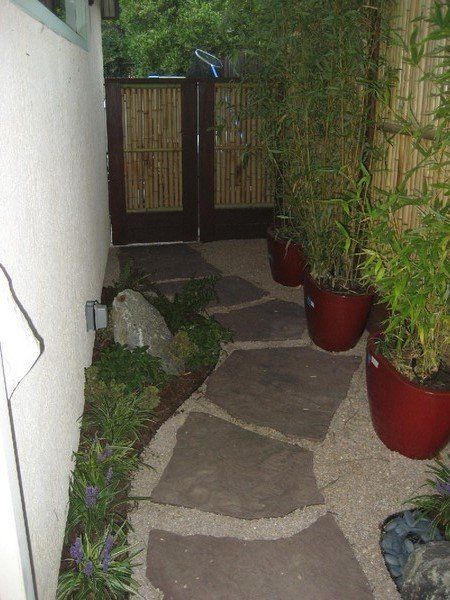
Drought tolerant plants and trees can replace the water-wasting lawn with an array of gorgeous colors and textures that bring so much beauty to the garden while drawing in the birds and butterflies. Incorporating hardscape areas and walks require no water at all with a multitude of choices in concrete, gravel, flagstone, pavers and brick, etc. available. It's important to start the process by browsing through garden and landscape books to get ideas, and walking through nurseries and supply houses while jotting down your likes and dislikes. There are so many creative and practical solutions that will work well for your home, lifestyle and budget.
When freshening up potted plants in the landscape, my favorites are perennial plants in pots, and when planted correctly to start with, the soil will need little maintenance as the plants grow.
A little fertilizer and some trimming are important for lots of blooms. Pots should be drip irrigated for water conservation. Choose a pot twice the size of the plant's root ball. Be sure the pot has drainage holes. First, place small cobbles at the bottom of the pot for good drainage. Then, line the cobbles with landscape fabric (like a pie crust) up the edge of the container to keep the soil in place while allowing drainage. Now, fill the pot with potting soil suitable for that particular plant. Most shrubs and some smaller trees can be planted and thrive in pots until the time comes to move them to larger pots if they’ve outgrown present pots. Loropetalum chinense (Fringeflower) boasting mostly purplish foliage and striking hot pink flowers, Polygala (Sweet-Pea Shrub) with bright green leaves and purple/white sweet-pea shaped blooms, all of the Lavandula and Salvia (Lavender and Sage varieties), and the gorgeous early-blooming pink, red and white Camellias perform well in pots and bring striking spring flowers to your garden.
Early spring flowering bulbs and corms such as freesia, tulips, iris and daffodils are wonderful in the garden and can also be planted in pots. Given the right care and conditions, they'll return year after year with beautiful spring blooms. Many varieties of bulbs and corms can be left undisturbed in the ground in our warmer climates. The faded blooms can be removed, but it's important to let the foliage decline naturally. The remaining green leaves are using the sunlight to restore the bulb's energy to flourish the following year. The leaves can be removed after they are yellow and dry.
My top favorites though, are the spring flowers found on early spring-flowering trees. The following are spectacular, with blooms contrasting beautifully against the blue and grey skies of early spring. The flowers on all of them emerge dramatically on bare wood before the leaves that follow. Magnolia soulangiana (Saucer Magnolia), Pyrus calleryana (Callery Pear), Prunus okame (Flowering Cherry), Malus floribunda (Flowering Crabapple), Cercis canadensis (Eastern Redbud), and Cornus florida (Flowering Dogwood) all make large and spectacular statements shouting spring is here.
They are all choice trees for our area, small to medium in size, and easy to incorporate into most residential landscapes. Depending on the tree, the flowers come in shades of pink, red, yellow or white. Some of these trees will also bloom sporadically during the summer. Trees provide the shade needed to keep the moisture in the planted ground below. Deep watering and densely spread bark help to hold the moisture, too. Although most drought tolerant plants tolerate a lot of sun, many appreciate a respite with the shade from a tree in the hot afternoon.
When it comes to installing my designs, I recommend Steve Irwin and his crew of Alpine Terrace Landscaping.
To put things into perspective, Irwin also encourages homeowners to change from lawn to a drought tolerant landscape reminding homeowners that a gallon of water per square foot per hour is used with most proper lawn-watering sprinkler systems. That’s 1,000 gallons of water for a 1,000 square foot lawn after being watered a total of one hour.